Notes on running a business
Short lessons from running a business, on sales, operations, people, systems and AI.
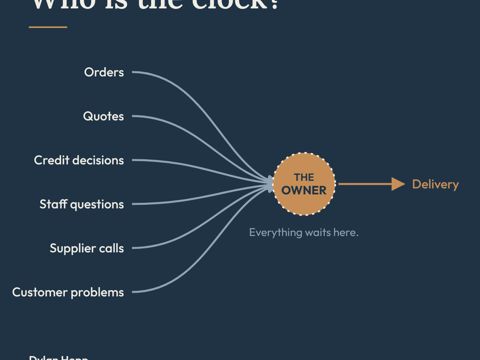
Who is the clock?
Every business runs on a rhythm, and in an owner run business it forms around one person. A general manager's job is to move it onto a system, and the owner's job is to stop being the clock.

Taking the day to day off an owner
Owners hire a general manager because they've run out of hours, and the day to day gets to them before growth does. Learn how they decide, take the small decisions first, agree what they keep, report so they never have to ask, then point them at the thing only they can do.
Closing a growing business: the systems
Part 5 of the wind down series. Keep the systems running to the last delivery, close them in the right order, write down what's where, and leave the data tidy. A business that closes clean says something about how it was run.
Closing a growing business: suppliers and cash
Part 4 of the wind down series. A business is closed when the last dollar is in and the last pallet is gone. Run stock down with the order book, tell suppliers early, chase cash while relationships are warm, and report to the end.
Closing a growing business: the staff
Part 3 of the wind down series. Six people who had done nothing wrong. Tell them early and yourself, be honest about why, get the money right, help them land, and let them keep the standard to the last day.
Closing a growing business: the customers
Part 2 of the wind down series. Just under 50 accounts relying on us for next week's product. Let the team make the calls, tell customers early, give them time, keep delivering, and be straight about the money.
The decision to close a growing business
The group closed the domestic business I ran while it was still growing. Export demand up, lamb supply down, fuel up, and a plant with no spare capacity. I sat on the team that made the call, and it was the right one.
Why I have my own website
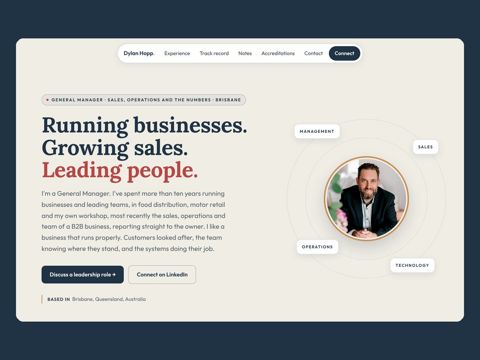
It's mine, it keeps me honest, it's a dated record of what I've learnt, and it cost almost nothing to build with AI tools. More managers should have one.
The numbers I check every month
Sales, gross profit, debtors, and full and on time delivery. Four numbers, every month, in the same format, so the owner never gets a surprise.

When one state is behind the others
A state that's behind is often the cheapest growth in the business. Work out why, go there, give it its own plan and a local owner, and keep turning up.
Leading a sales team to great results
A big target doesn't make a great sales team. Clear numbers, doing the hard work alongside them, handing over the wins, and dealing with problems early does. The result I'm proudest of is a rep who went on to become a state manager.

What an overpacked carton really costs
An overpacked carton can't close flat, can't carry the weight stacked on it, and puts every carton above it at risk. The cost isn't the cardboard. It's rejected product, credits, second deliveries and a customer who stops trusting your deliveries.
A cold room says a lot about a business
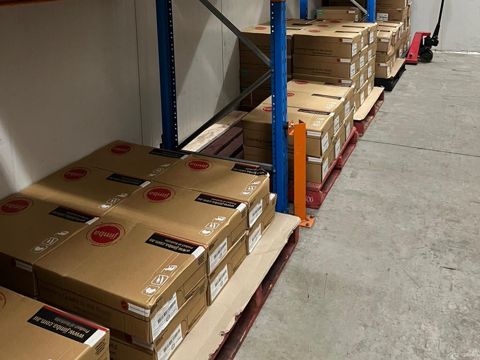
Every pallet racked or lined up straight, every carton square, every label facing out. It isn't for looks. A well set up cold room is quicker to pick and count, and it stops the cartons failing before the product reaches the truck.
Why I'd rather have the team in the office
You can't build a sporting team over Zoom and expect chemistry, and a business is no different. Teams learn from each other's mistakes when they're in the same room, and younger people learn the job by watching. Flexibility for family still matters, but a great business is built together.

Every box on the pallet counts
At United Meat Co we sold meat to wholesalers and large butchers by the pallet. How each carton was stacked and how each pallet was wrapped mattered as much as the price. It's the first thing a buyer sees, and over time it builds trust or wears it down.

Winning new business from a standing start
I started United Meat Co with no customers and no background in meat. It reached about $1 million a month on cold calls before the parent group moved to export only. The first call rarely won anything. Follow through did.

What does a manager actually do now that AI does the admin?
AI takes the reports, the chasing and the logging. What's left is judgment and getting people to act on it, which was always the job. The skill that matters now is writing a clear brief.
Why I use Cloudflare Web Analytics instead of Google Analytics
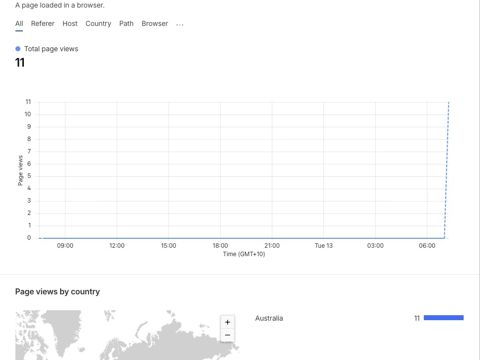
It's free, one line of code, no cookies, no consent banner, and it doesn't track individuals. It tells me how many people visit and which pages, which is all I need to know.
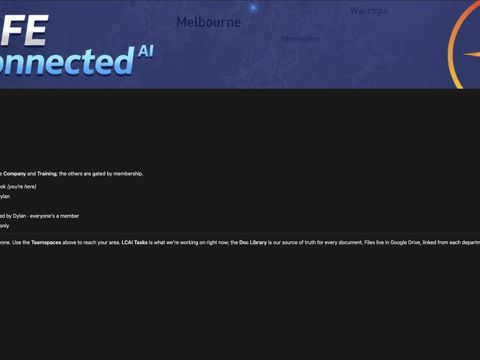
How four founders run a company with no office manager
LIFEConnected AI runs from one Notion workspace where AI does the admin. I set it up for the founders. Calls become tasks, reports write themselves and every document has one home.
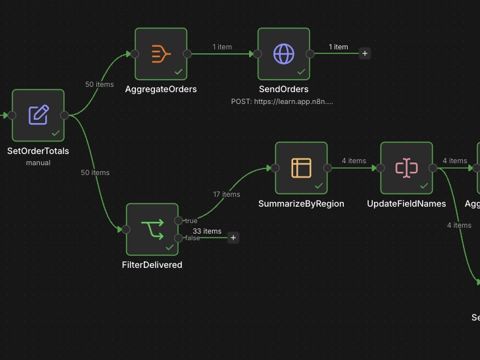
What a General Manager's homework looks like in 2026
A fourteen step n8n workflow from the first course in the Foundations program: sales data in, orders split and totalled, delivered orders summarised by region, two reports out. Training data, not a live system. The point is that a manager who can read this diagram can argue with it, and knows when a vendor is overselling.
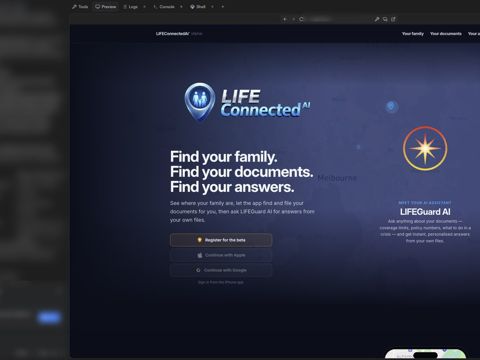
What I actually used to build the first version of LIFEConnected AI
The first version was built in Replit, with me writing briefs the way I used to for staff and testing what came back on my phone. The tool was new. The job of briefing clearly and checking the result was the same one I had running a business.

Why new software fails in a business, and it's rarely the software
Most systems that get abandoned weren't bad tools. They asked people to work differently from how they actually work, and nobody sat with them until the new way became habit. That's as true for AI tools as it was for a real estate CRM.
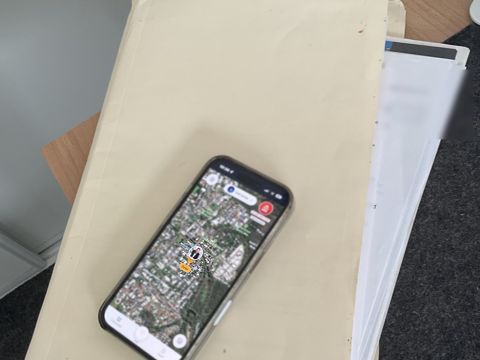
Where AI actually pays off in a small business (it's smaller than you think)
Not in a strategy. In the small, specific jobs already being handled badly on paper or in a group chat. Fix one of those with someone who understands the job and can direct the tool, and you've done more than most AI projects manage.
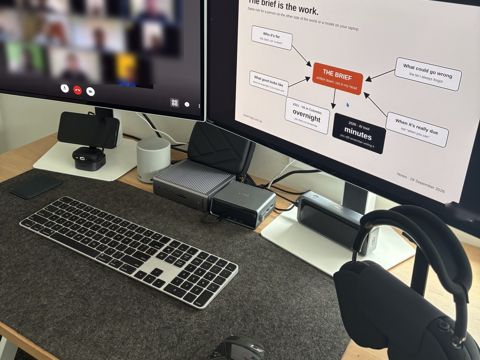
Why AI tools feel familiar if you ever managed a virtual assistant
Because the rule hasn't changed. A virtual assistant and an AI tool both give you back exactly what your brief deserved. The difference now is the loop takes minutes instead of overnight, so you find out your brief was thin while you still remember writing it.
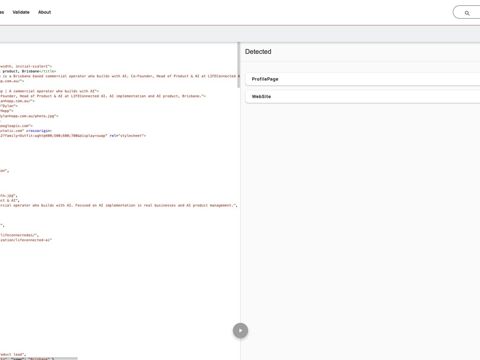
How I built my website so AI could find me
I added a structured Person record to dylanhopp.com.au so Google and AI tools know exactly who I am, then linked it to my other profiles and tagged every post the same way. It took a day, no hand written code, and it means the answer to "who is Dylan Hopp" is consistent and mine.
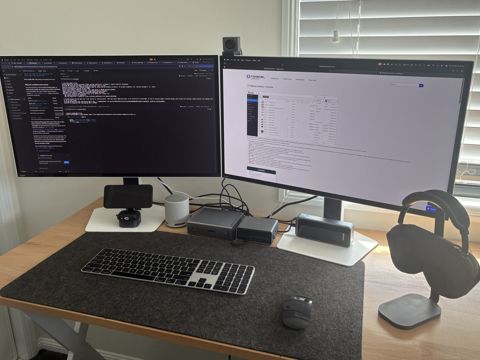
Should a small business buy off the shelf software or build its own?
Start with an off the shelf tool, because using it is how you find out what you actually need. At United Meat Co we ran Fishbowl first, then built a CRM to cover the gap once we knew exactly where it fell short. Building earlier would have meant guessing at the brief.
Building with AI: the hard part isn't the AI
When you build with AI coding tools, the hardest part isn't the technology. It's being clear about what you actually want: who it's for, what could go wrong and what finished looks like. A vague request gets something that technically works but isn't quite right.