Every box on the pallet counts
At United Meat Co we sold meat to wholesalers and large butchers by the pallet. How each carton was stacked and how each pallet was wrapped mattered as much as the price. It's the first thing a buyer sees, and over time it builds trust or wears it down.
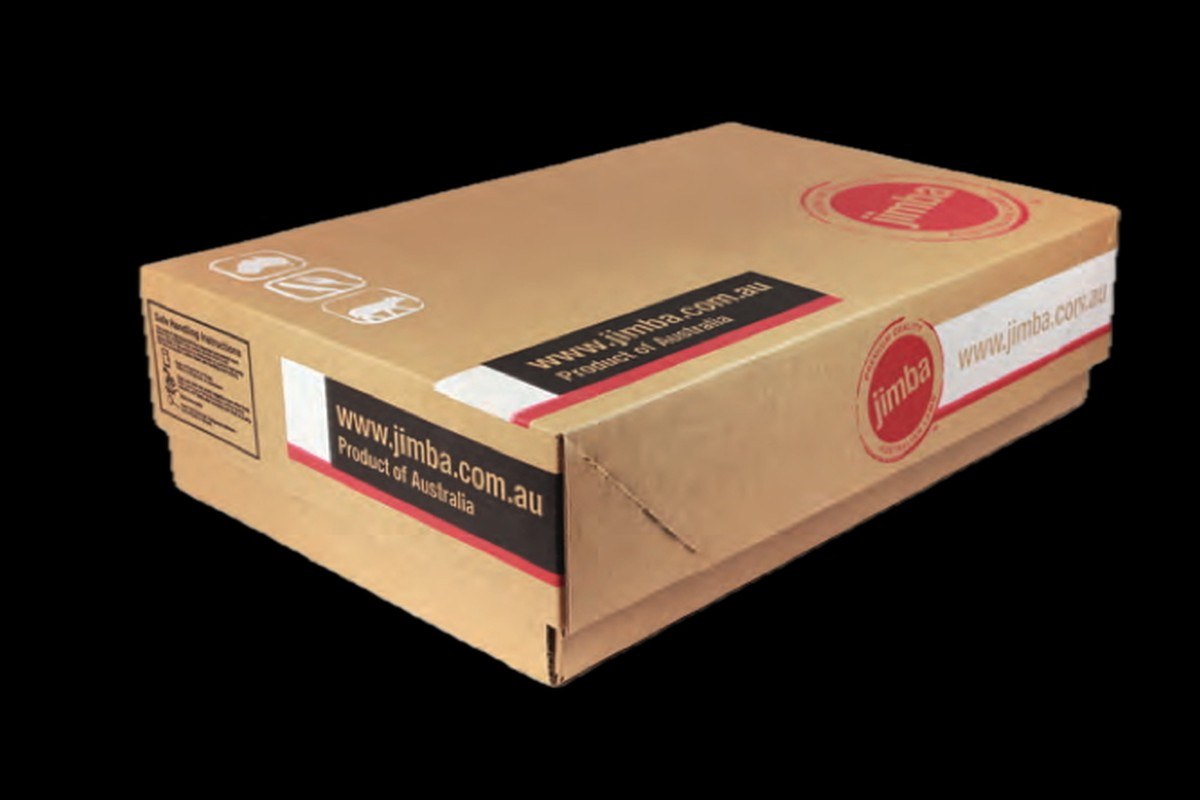
At United Meat Co I ran the domestic sales and distribution business of a meat processing group. Our customers were wholesalers and large butchers. They bought by the carton and by the pallet, and most of what we sent was chilled or frozen and on a deadline.
It would be easy to think packaging matters less in business to business. The customer isn't a shopper standing in an aisle. They're a business that wants the right product, at the right price, on time.
In my experience it matters more. When the truck door opens at a customer's dock, the first thing they see is the pallet. Before they've checked a single carton or looked at the invoice, they've formed a view about how careful you are. A crushed corner, a carton sitting proud of the stack, or a wrap that's come loose all say the same thing.
So we treated the pallet as part of the product. Every carton stacked square and tight. Every pallet wrapped firmly enough to arrive the way it left our dock. Cartons are designed to carry weight when they're stacked straight, and they're at their weakest when they're not, especially in the cold.
I owned order fulfilment, dispatch and food safety, so I saw both sides of it. The sales side, where a buyer remembers every damaged delivery. And the operations side, where a pallet packed in a rush comes back as a credit, a claim or an angry phone call that takes longer to sort out than doing it properly would have.
That's why I don't see speed and quality as a trade off. A pallet packed well the first time is faster to load, faster for the customer to check in, and doesn't come back. The time you save by rushing, you spend later, usually with interest.
Do it right week after week and something shifts. The buyer stops checking every carton because they've learnt they don't need to. Orders get bigger. Conversations get easier. That's when a supplier becomes a partner.
Good packaging protects the product. In a B2B business it also protects the relationship.

General Manager, Brisbane. Builds with AI. More about me