What an overpacked carton really costs
An overpacked carton can't close flat, can't carry the weight stacked on it, and puts every carton above it at risk. The cost isn't the cardboard. It's rejected product, credits, second deliveries and a customer who stops trusting your deliveries.
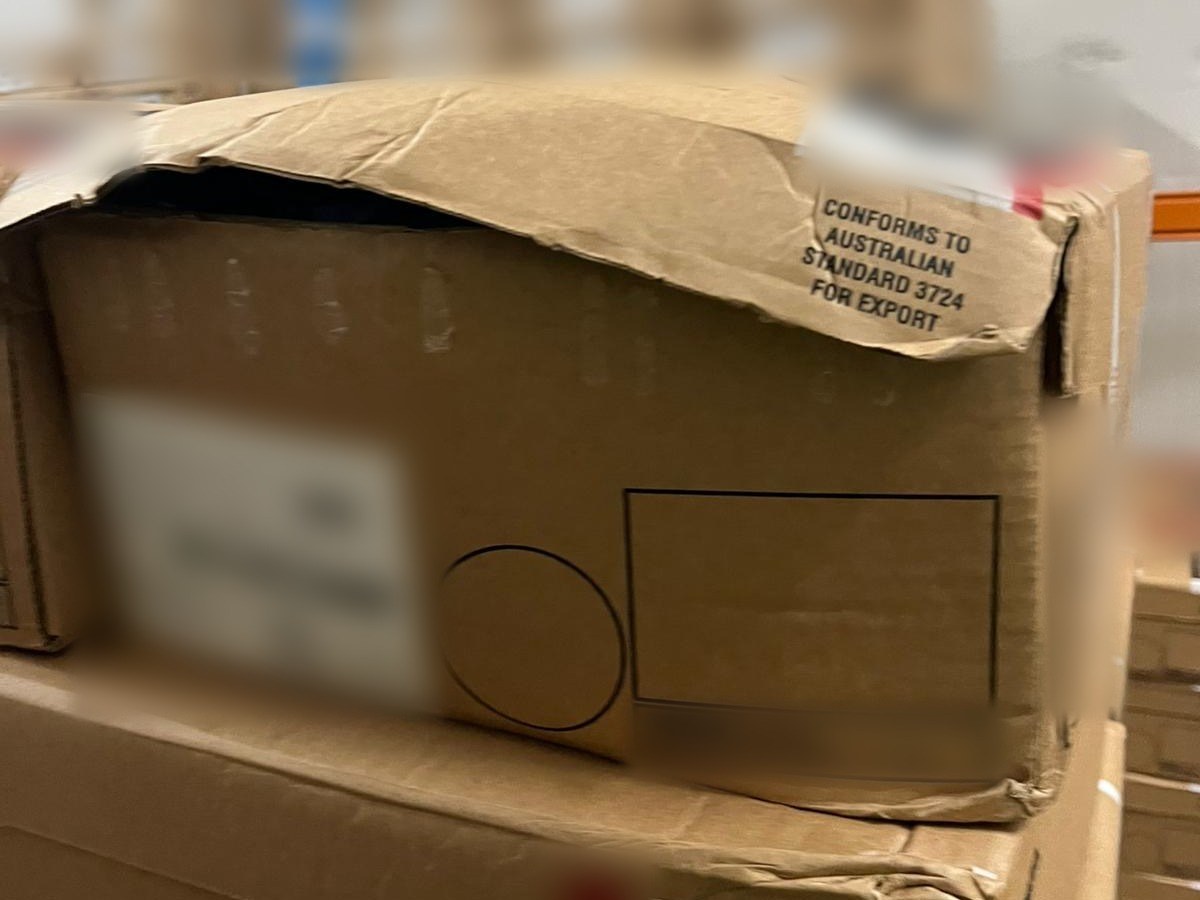
This is what nightmares are made of.
An overpacked carton. Too much product in the box, so the lid can't sit flat. Once the lid is lifted, the carton can't carry weight the way it was designed to, and the board starts to give under everything stacked on top. One carton like this and the whole stack above it is at risk.
It nearly always comes down to two things. Packing more into a carton than it was made to hold, or using board that isn't up to the job. Often it's both, because a carton that's already under strain is the first to fail when the board is a little light. In a cold room, where it's damp as well as cold, either problem shows up fast. Damp cardboard loses strength, and the weakest carton in the stack goes first.
The real cost isn't the carton. It's the product inside. A carton in this state can mean product the customer won't accept, a credit note, a second delivery, and time on the phone sorting it out. Worse, it means a buyer who now checks everything you send, which slows down every delivery after it.
The fix isn't complicated, but it has to happen at the start. The right carton for the weight of product going in. Packed to what it's rated for and no further, even when it's tempting to squeeze in one more piece. Lids that close flat. Stacked square on the pallet so the corners carry the load. Get that right and you never see a photo like this.
Packaging is easy to treat as a cost to keep down. In my experience it's cheaper than the alternative.

General Manager, Brisbane. Builds with AI. More about me